Brian Droitcour considers the state of video art in the age of mobile technologies and how it all affects what we see on our feeds.
Artlab Editors: The artworld prominence of video art gives rise to new and ongoing questions about form and function. Writer and critic Brian Droitcour looks back on the evolution of video art to account for how mobile technologies are redefining the genre and how it finds its way into our feeds.
A toilet approaches. A head pops out of it—filthy and menacing. The view shifts, and you realize it’s your perspective. The hand in the corner is yours. The toilet is attacking you! Then, from your periphery, comes someone else, wearing a suit like yours. He attacks back, flushes, and the head whirs downward, defeated. Your ally has a video camera for a head, and you must too, for your perspective to look this way. You’re watching an episode of “Skibidi Toilet,” dozens of which were released on YouTube Shorts in 2023, each one a violent encounter between the toilet monsters and the camera guys. There’s never an explanation for why they’re at war. Without origin story, resolution, or context to rely on, you might read “Skibidi Toilet” as an archetypal struggle between the horror of the abject and the forces of technocracy. Or you might take it for what it is—a bunch of explosions set to an earworm remix. Either way, there’s no need for storytelling, because the conflict and the weapons that carry it out are baked into the character design. Mobile video is a form of media where genre elements familiar from other forms of media get folded into one another for optimal efficiency. It’s a compression of genre, engineered for instant consumption.
The grammar of “Skibidi Toilet” is shared by Italian Brainrot, the AI-generated videos of 2025 that endlessly reconfigured a love triangle between a latte-headed ballerina and her main suitors, a shark and a stick. Brainrot videos, too, lack context, and wager everything on character design. Femininity is the delicacy of dance and latte art; masculinity is a mix of the goofy and the violent; they meet in vignettes of romance and rejection. It’s the curt, illogical logic of 6-7, a meme that means nothing beyond its own repetition. This is the logic that animates mobile video—a medium for short clips, made with software designed for intuitive editing, often with generative AI or readymade effects, shared and circulated on TikTok, Instagram Reels, or YouTube Shorts. Mobile video tends to run vertical, to fit the phones these apps are on. And while its strangeness is flaunted by “Skibidi Toilet” and Italian Brainrot, it also lurks behind milquetoast influencer videos: Cooking, fitness, day-in-the-life with vocal-fry voiceover—these genres are compressed, too. They have signifying hooks that tell you at once what’s going on. They can repeat indefinitely, their elements reconfigured in new uploads. While weird mobile video trades in humor and horror to work on your feelings and make you want more, lifestyle mobile video preys on desire and envy.
Mobile video compresses genre in service of emotional effect. It circulates in networks that want their users to buy things. It thrives in an environment engineered to profit from the excitement of feelings—mostly bad ones, the shock and envy named above. You could see the spread of video on mobile platforms as a linear continuation of the society of the spectacle or perhaps, it’s closer to what Trevor Paglen calls the Society of the Psyop Society of the Psyop . A cooking TikTok resembles a show on the Food Network in that it records someone making food. But the fast cuts, the slab of meat slapping the table, the ASMR of salt-shaker taps, the eye-rolling ecstasy of the influencer tasting her creation—these act on the audience in a more aggressive way. Mobile video doesn’t instruct you how to cook so much as instruct you to keep watching, keep wanting.
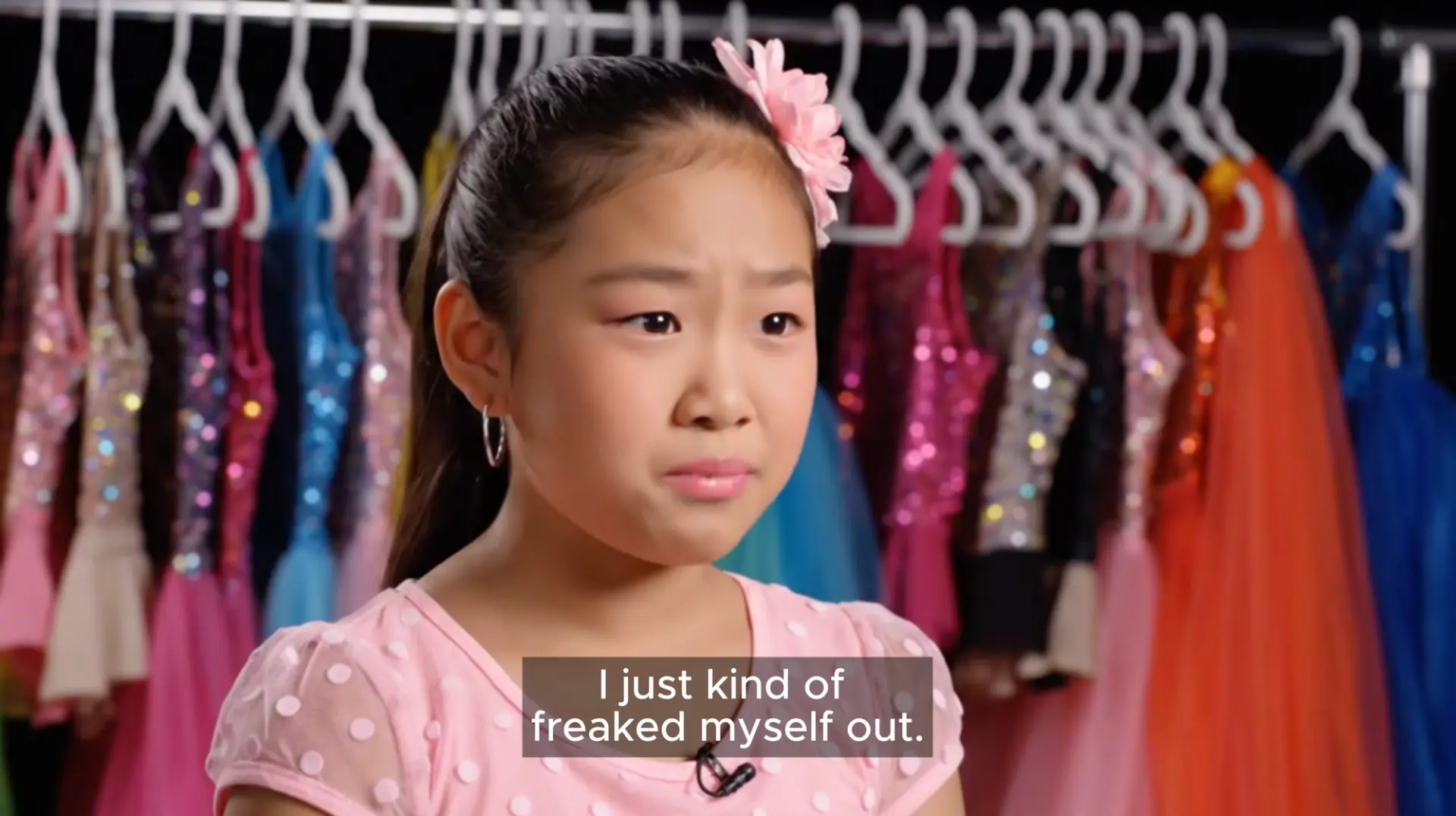
Can mobile video be art? Obviously, yes. Anything can. But to use it well, an artist has to grasp its specificity—and that specificity is not merely formal. Mobile video is a distinct medium because its form runs downstream of two things at once: a technology and an economy. The technology is a phone that shoots, cuts, and uploads in a few quick gestures, its software stocked with ready-made effects, its image fitted to a vertical screen. The economy is an attention market that pays in influence and runs on engineered feeling. Compress genre until story short-circuits as a shortcut to feeling, and you’ve served both at once: the format the software enables and the response the market rewards. An artist who ignores either is making work for a system that isn’t there. We viewers have to see that, too.
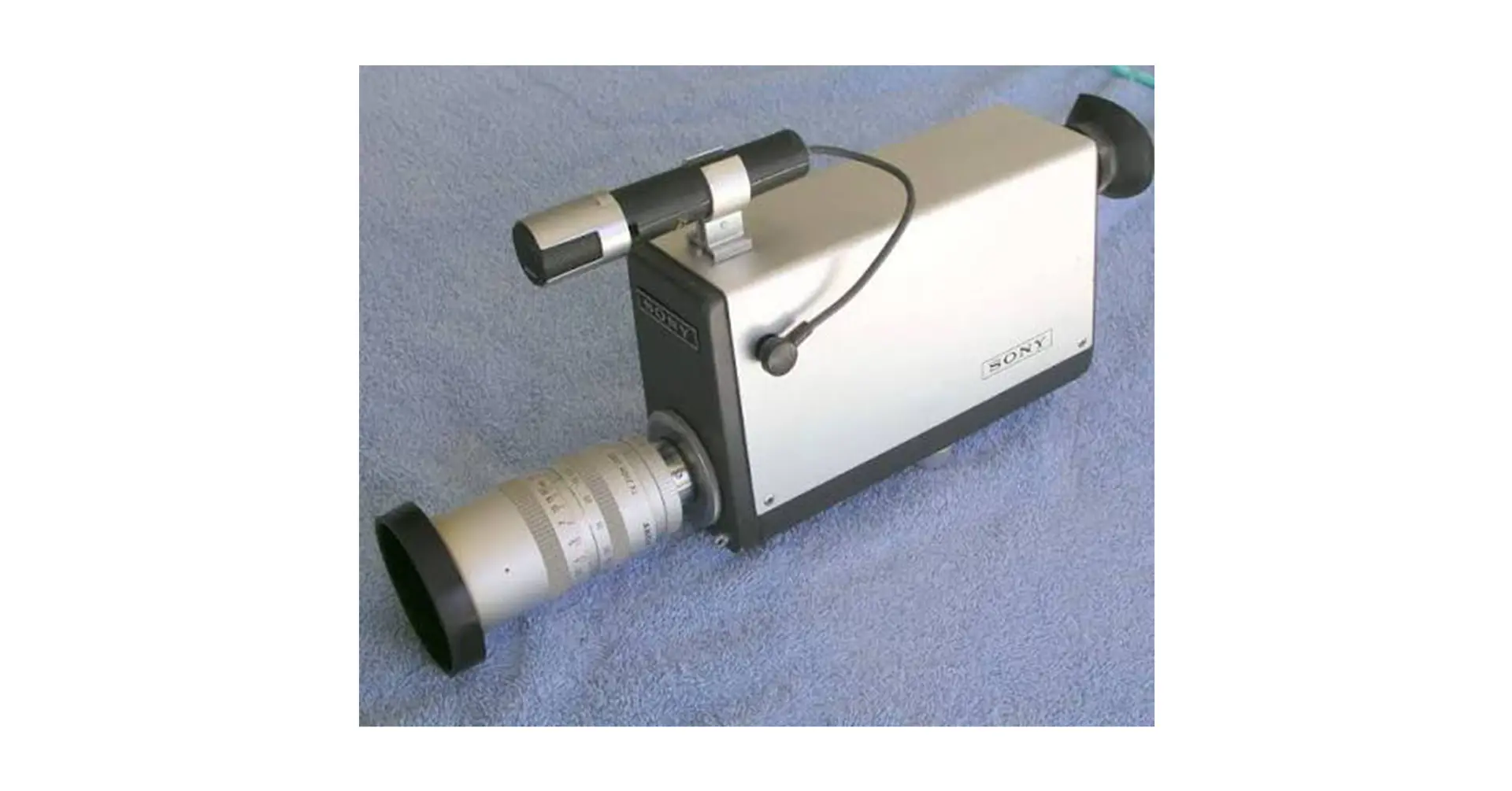
A Sony DV-2400 Portapak, Courtesy of Toirm.
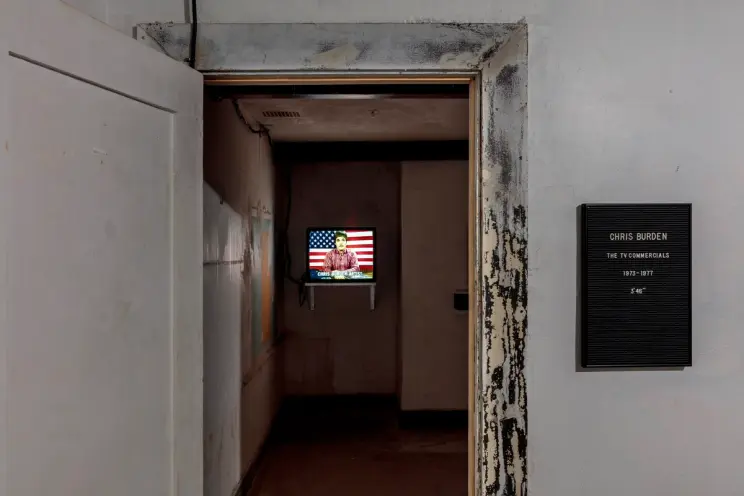
Video art at its origins was mobile in other senses of the word. The Portapak appealed to artists as a device they could carry. Video hopped easily among contexts. Artists aspired to be on TV, to reach bigger and more varied audiences than the art world could offer. Chris Burden bought ad time on late-night TV. Nam June Paik ran his experiments in transmission on PBS. It’s tempting to say the artists using mobile video are closer to the spirit of the medium at its origins than their peers making monumental work for the black-box gallery. But recall how video art’s egalitarian ambition ended. Artists were consigned to cable access, or played supporting roles to rock stars on MTV. Broadcast was never built for contemporary art, and the dream of reaching a mass audience through it was abandoned as the mismatch became obvious.
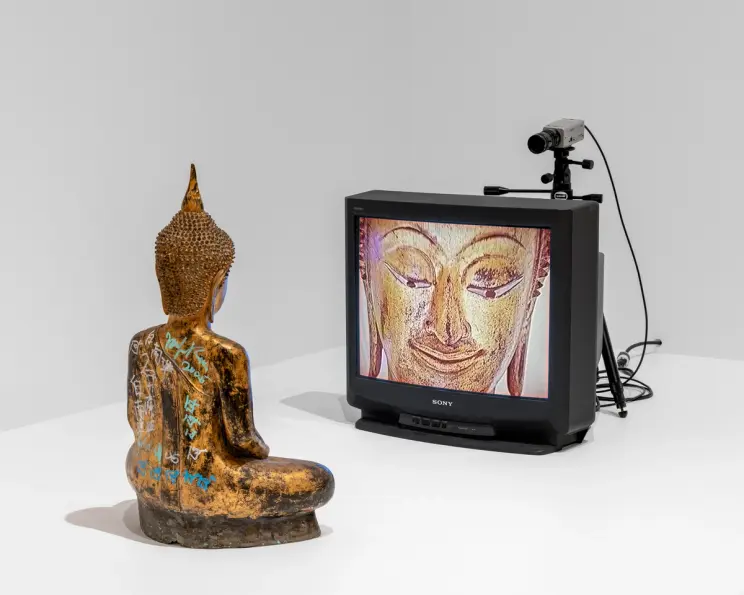
The substrate of mobile video is recent. It began in 2009 with the iPhone 3GS, the first iPhone that could shoot video and send it straight to the YouTube app. Everything since is downstream of what the hardware, the compression, and the networks made cheap to move. The artist works at the level of form—because form is where the technological and economic factors become visible and workable. Television is narrative. Mobile video is gestural. Television wields prestige. Mobile video trades in influence, earned through the intimacy of a device held in the hand, close to the face, its portrait orientation mirroring a single body back at the user’s own. One-man shows are rare on television. On mobile video they’re the whole game. If reality TV manufactures its illusion of access, mobile video runs the same tricks while letting the audience inside the influencer's home. Both deliver an audience to advertisers, but mobile video does it with surveillance capitalism’s toolkit, targeting desire and fear and anxiety with a sophistication no television marketer ever had. The artist has to work with these conditions, or against them—not bring an old approach to a new format and call it innovation.
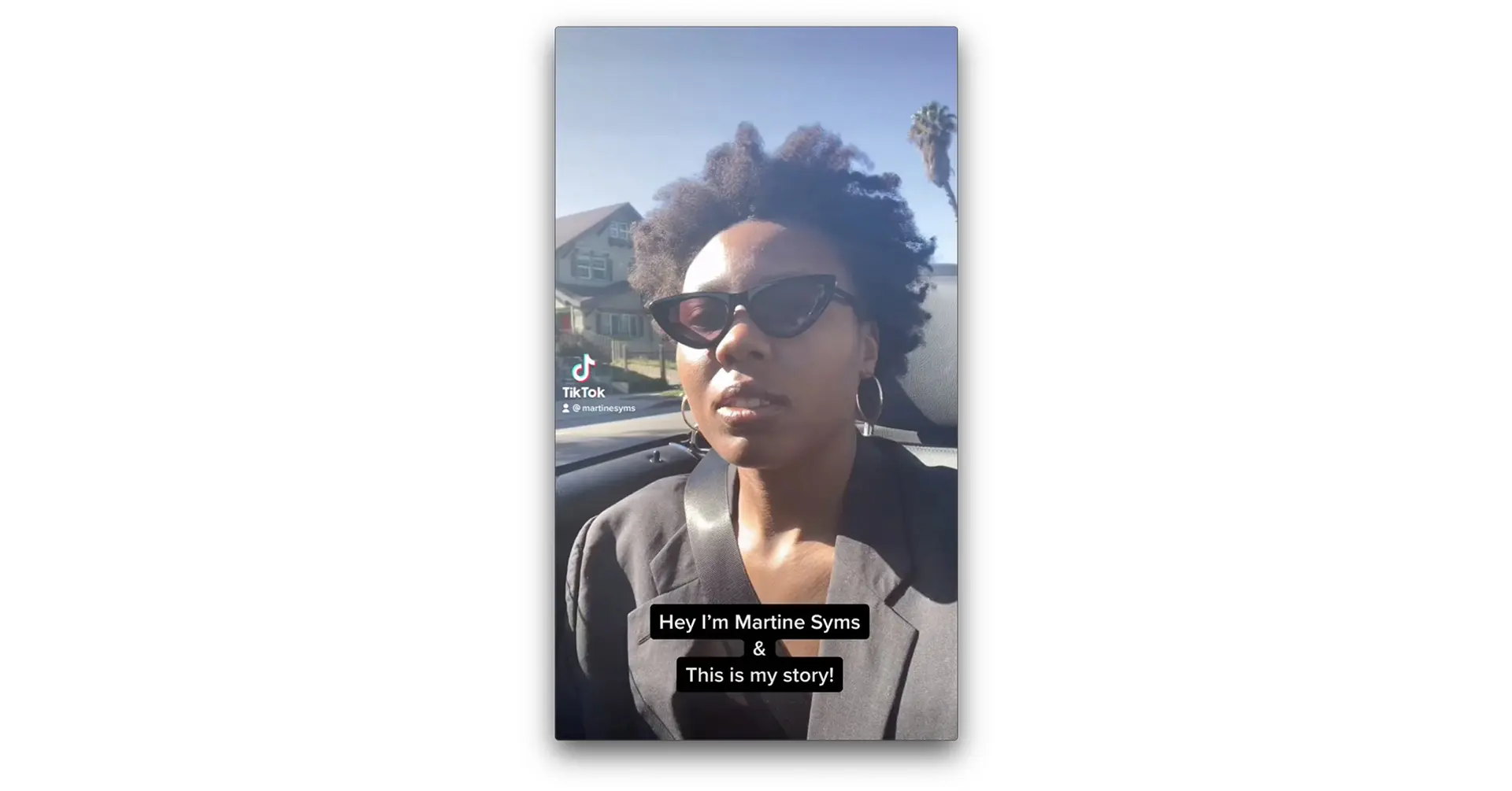
Martine Syms, still from SHE MAD: The Non-Hero, 2021. Single channel video (color, sound). Courtesy of the artist and Bridget Donahue Gallery, NYC.
Martine Syms, still from SHE MAD: The Non-Hero, 2021. Single channel video (color, sound). Courtesy of the artist and Bridget Donahue Gallery, NYC.
Martine Syms makes video autofiction, retooling the conventions of sitcom and cinema through her experience as a working artist. The Non-Hero Parts 1–4 (2021) extends that practice into the language of mobile video. She modeled it on Lil Nas X’s “Life Story” Lil Nas X’s “Life Story” TikToks and made it with the app’s own effects and captions. It can’t be seen on TikTok—it’s made for exhibition—but it wears the watermark of the platform, and the hallmarks of the native editing software. Syms cuts short vertical clips to exaggerate the grinding pace of openings and commissions. Her voiceover grants access to a glamorous life and the anxiety beneath it. There’s no resolution. The protagonist—a fictionalized Syms, or a parodic Nas—is always the new It Girl, always struggling with dependence on prescription drugs, always misunderstood by galleries that won’t back her music alongside her art, always on the cusp of a breakthrough.The narration doubles what’s in “Life Story,” with minor changes that sardonically highlight the currency of the art world, where clout comes more easily than actual money. “Like to see what happens next” is the refrain at the end of each part of The Non-Hero, but what happens next is what’s already happening. If Nas’s autobiography is straightforward, the circular path of Syms’s non-hero traces the logic of mobile video—dizzying, looping, addictive.
David Henry Nobody Jr. is a veteran performance artist with a taste for media intervention. He came to Instagram early, posting self-portraits that densely piled expressionist painting and cubist collage onto his own face. When the platform loosened its video limits in 2016, he pushed the self-portraits into moving image, anticipating the grammar of mobile video. In these clips he wears machines built to fail: costumes of levers, gears, wheels, and open containers of liquid, each loop a small spectacle of breakage and spillage. His body becomes part of the apparatus, like a camera guy in “Skibidi Toilet,” where the promise of action and its execution are bundled in the figure. But where those memetic videos run on the archetypes of games and movies, Nobody keeps to everyday materials, whose banality holds the focus on the gesture. Even while working in a new medium, he sticks to the legacy of performance video.
Syms smuggles TikTok’s intimacy into the gallery. Nobody finds, in TikTok’s psyop psych-outs, a new venue for performance art’s confrontational traditions. You can go viral by studying and enacting the tactics of mobile video. But bridging its protocols with those of other mediums yields a hybrid thing, a work of art.

David Henry Nobody Jr., Self Portrait Burning On The Inside Burning On The Outside, 2020. Courtesy of the artist.
That leaves two challenges. One is for museums—to understand how artists are handling the feed, and working out how the feed’s protocols might co-exist with the institution’s. The other is for platforms. Their algorithms are precise enough to target envy and anxiety, but can’t recognize taste that isn’t primed for consumption. After an hour on TikTok, scrolling and researching, the app was feeding me what it thought I wanted—and still wasn’t giving me much art. If art can’t find a mass audience there, can artists at least find the users who want to see their work? None of this will be resolved easily. But working through the difficulty without losing what makes art worth doing might be exactly where the next real discoveries wait, for artists and institutions alike.